
Cookies & Your Privacy
This website uses cookies to ensure you get the best experience on our website. More Information >

Fabric-covered buildings are used in mining operations to help control dust, protect equipment, and provide flexible, weather-resistant infrastructure that can be deployed quickly — especially at remote or evolving sites.
Accu-Steel fabric-covered buildings are engineered to support mining teams who need practical solutions for material handling, maintenance, and site operations, without the long timelines or rigidity of traditional construction.
Designed for fast deployment and long-term performance, these buildings can be configured for a wide range of mining applications — and adapted as operations change.
Control dust. Protect equipment. Scale on your terms.
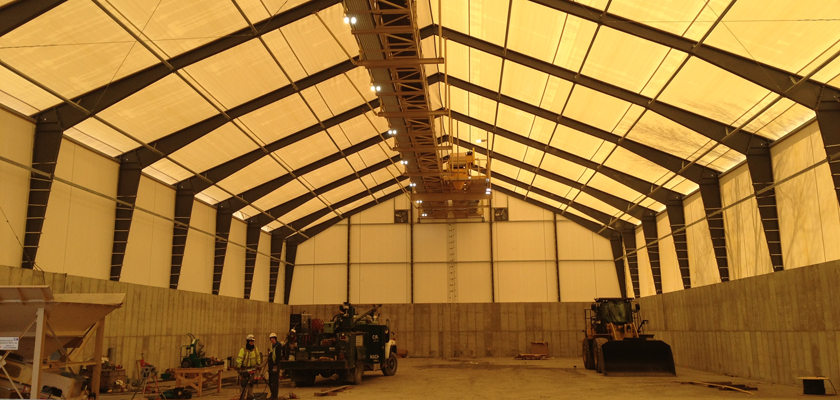
Mining sites operate under constant pressure—from weather exposure and dust control to construction timelines and uptime expectations. Fabric-covered buildings are often considered when operations need infrastructure that can be installed quickly, perform reliably, and adjust as site needs evolve.
Mining activities such as crushing, conveying, and stockpiling can generate significant dust. Fabric-covered buildings can be designed to enclose dust-generating areas, helping contain particulate matter and support improved air quality and compliance efforts.
Yes. Fabric-covered buildings are delivered as pre-engineered kits and typically require minimal site preparation. This makes them well suited for remote or off-grid mine sites where traditional construction can be difficult or costly.
Fabric-covered buildings are engineered for site-specific conditions, including snow loads, wind speeds, temperature extremes, and UV exposure — helping protect materials, equipment, and crews in harsh environments.
Because they are designed for faster installation than many traditional structures, fabric-covered buildings can help mining teams bring critical facilities online sooner, reducing delays that impact operations.
Mining plans evolve. Fabric-covered buildings are modular by design and can often be expanded, reconfigured, or relocated as production levels, layouts, or operational needs shift.
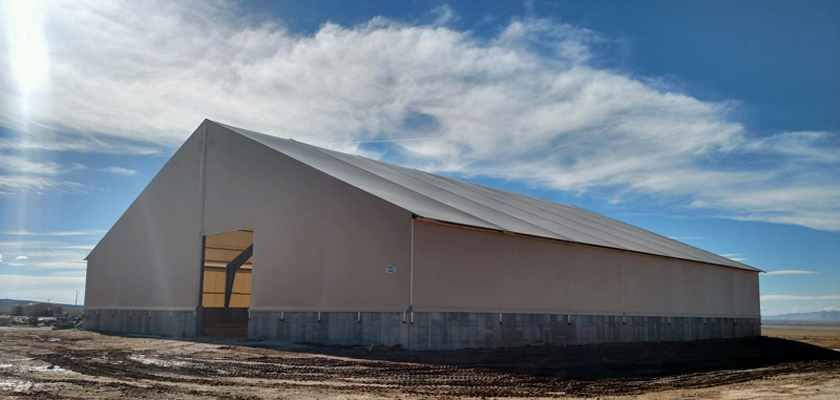
Accu-Steel fabric-covered buildings are engineered to support a wide range of mining-related uses. Rather than offering one-size-fits-all solutions, we work to understand how a building will be used and design accordingly.
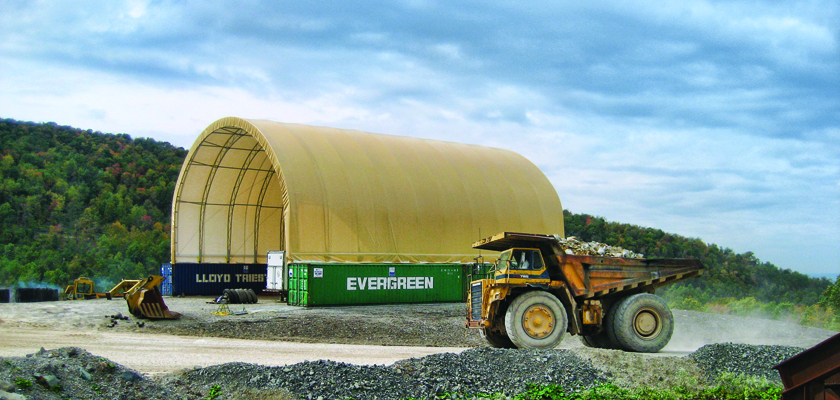
Clear-span interiors and customizable access points allow each building to be tailored to site-specific workflows and equipment.
Fabric-covered buildings can be adapted for both surface and underground mining operations, depending on site conditions and operational goals.
In surface mining environments, fabric-covered buildings may be used for:
At underground mine sites, fabric-covered structures are often considered for surface applications such as:
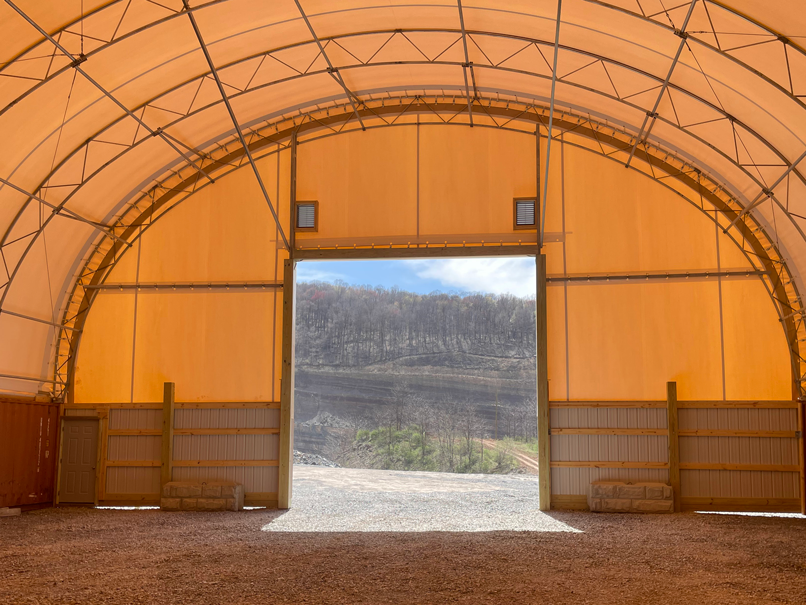
In both scenarios, flexibility and speed of deployment are key reasons these structures are explored.
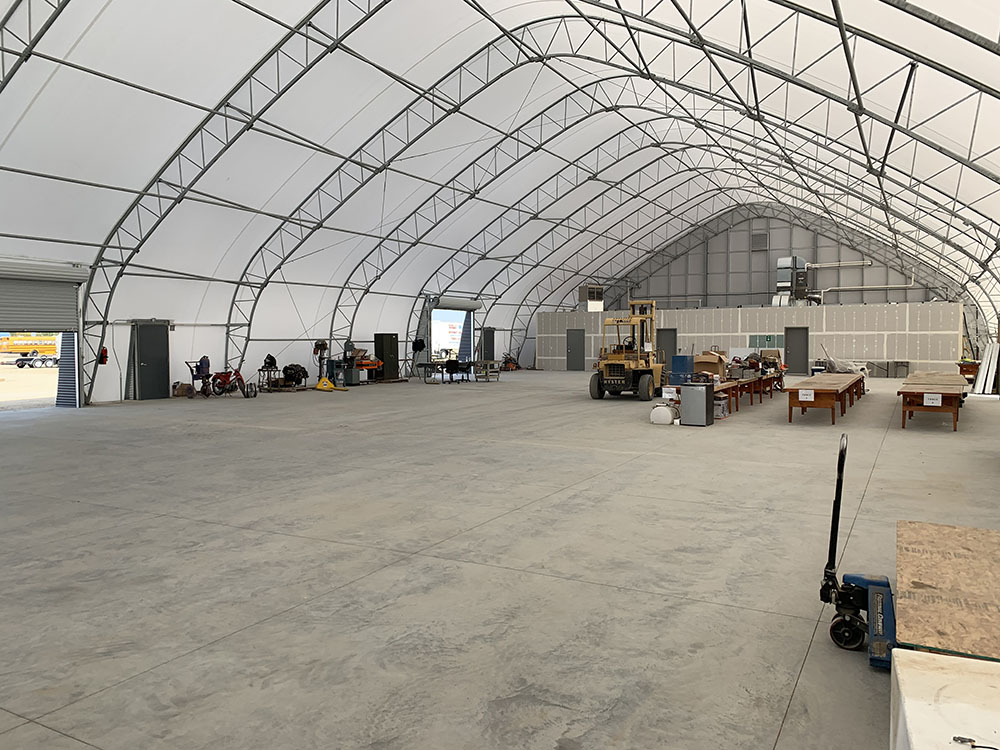
Every building begins with engineering. Not assumptions.
Accu-Steel fabric-covered buildings are specifically engineered for demanding environments and designed to meet site-specific requirements.
Fabric-covered buildings are designed for faster installation than many traditional structures. Because they arrive as pre-engineered kits and typically require less foundation work, installation timelines are often measured in weeks rather than months.
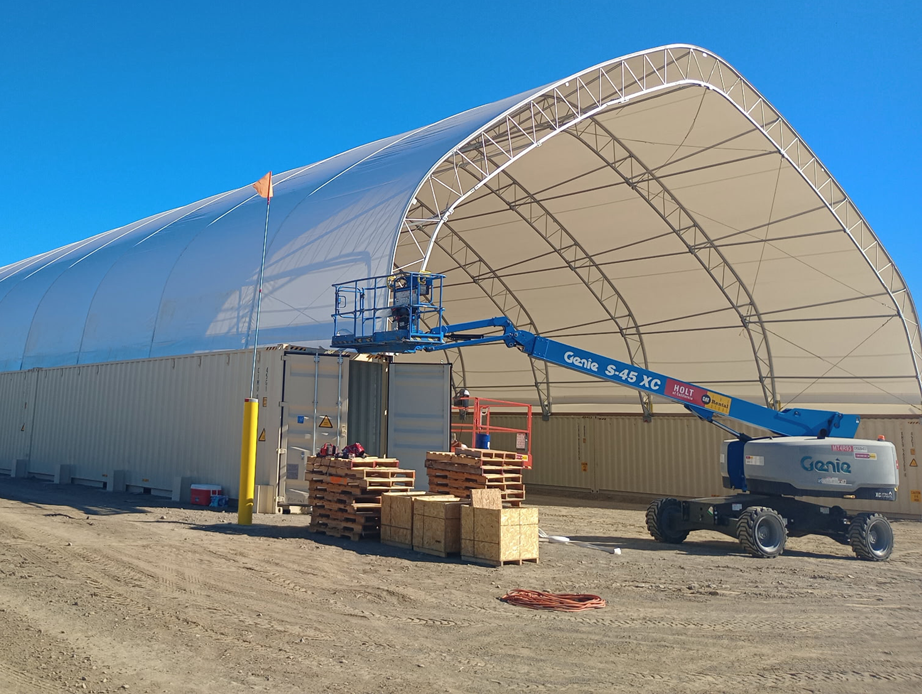
This approach helps mining operations reduce construction bottlenecks and maintain momentum without committing to overbuilt infrastructure.
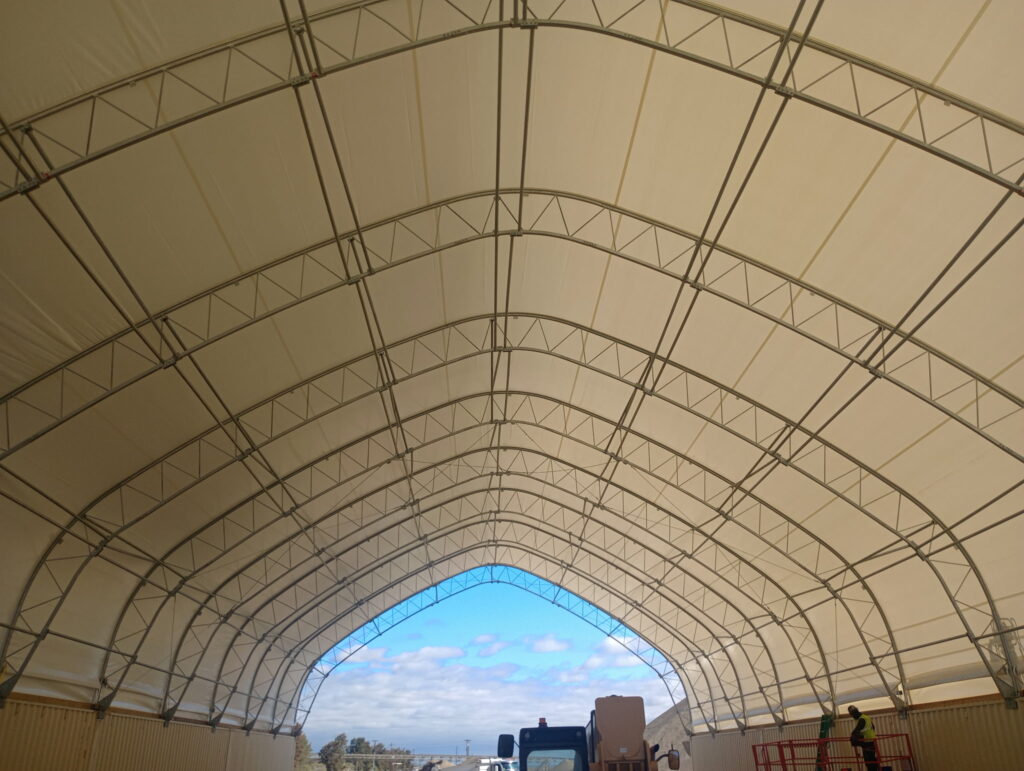
Every building begins with engineering. Not assumptions.
When evaluating site infrastructure, mining teams often compare fabric-covered buildings with traditional steel or permanent structures.
Fabric-covered buildings are frequently considered because they offer:
This video highlights how fabric-covered buildings can be integrated into mining environments to support material handling, protection, and site efficiency. While every operation is different, it offers a practical look at how these structures may function in real-world conditions.
Learn more about the building options and design considerations that support mining applications:
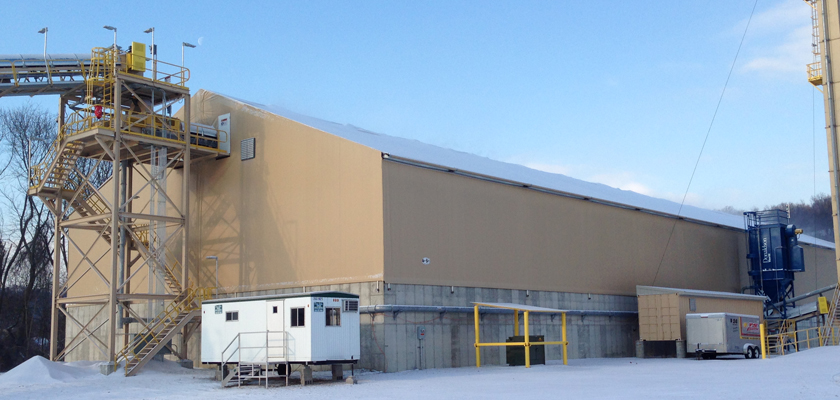
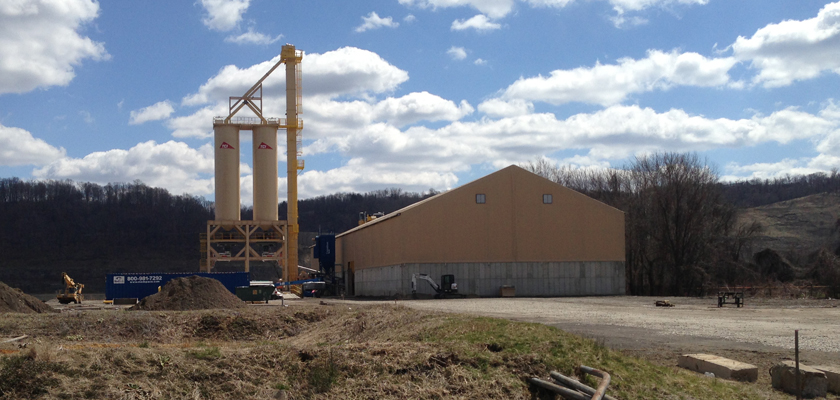
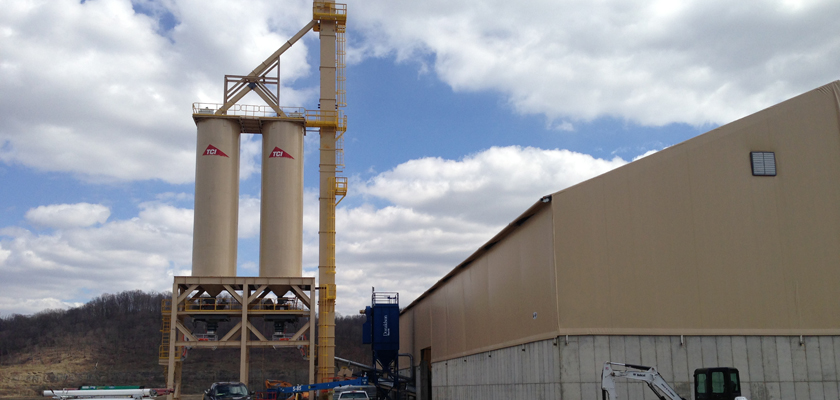
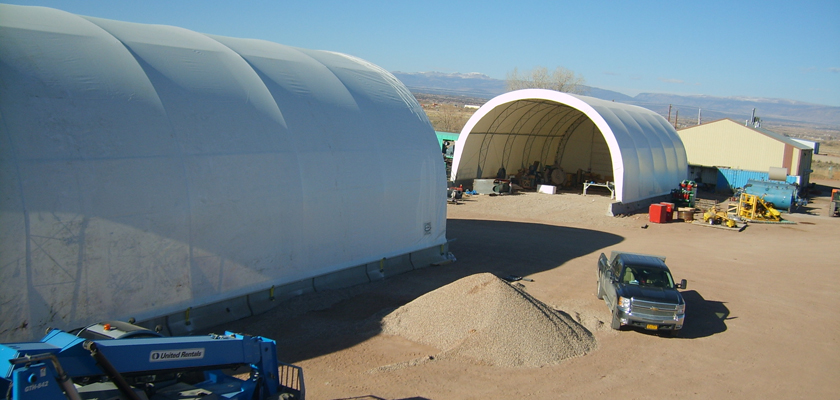
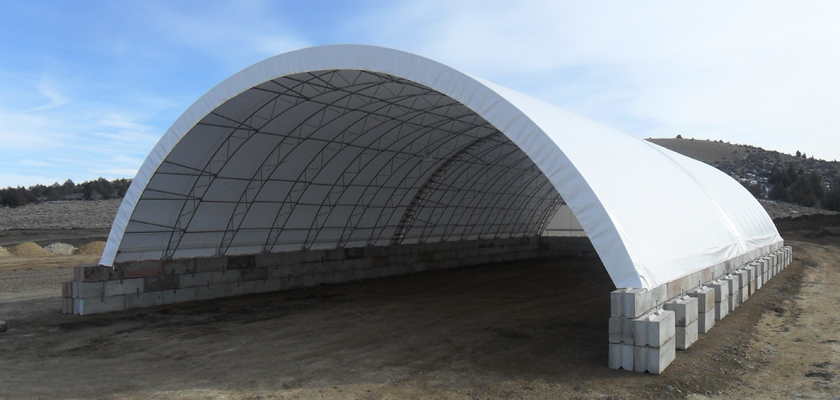
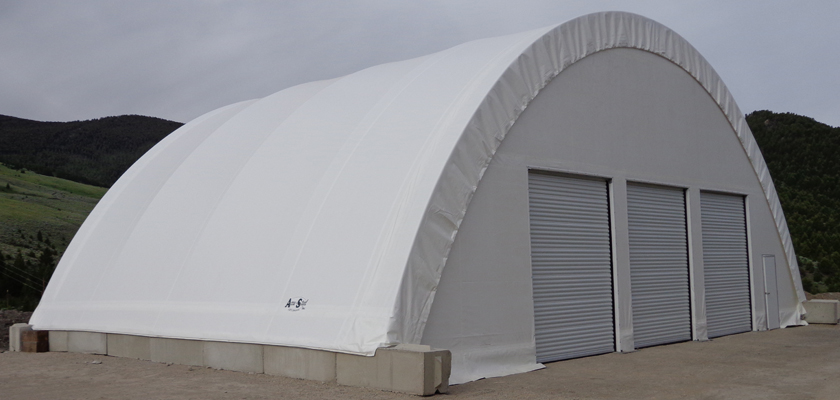
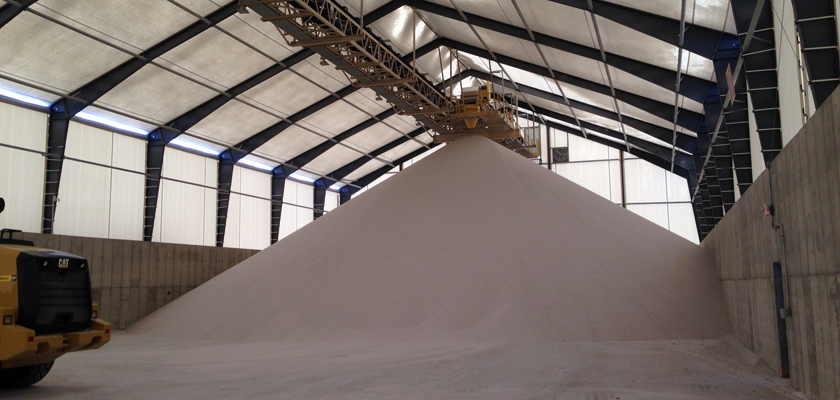
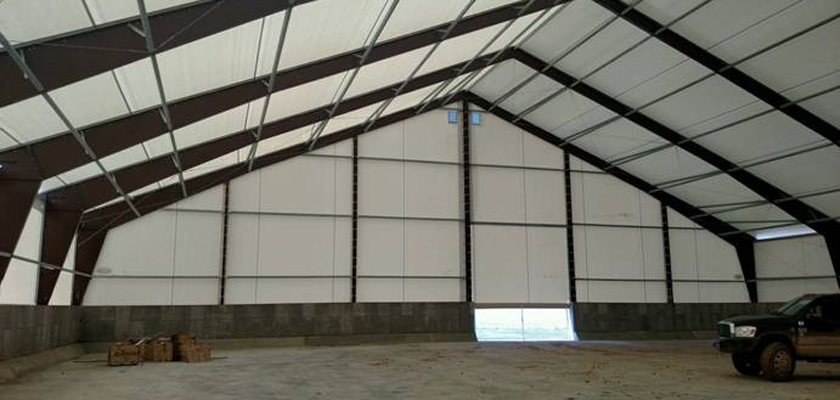
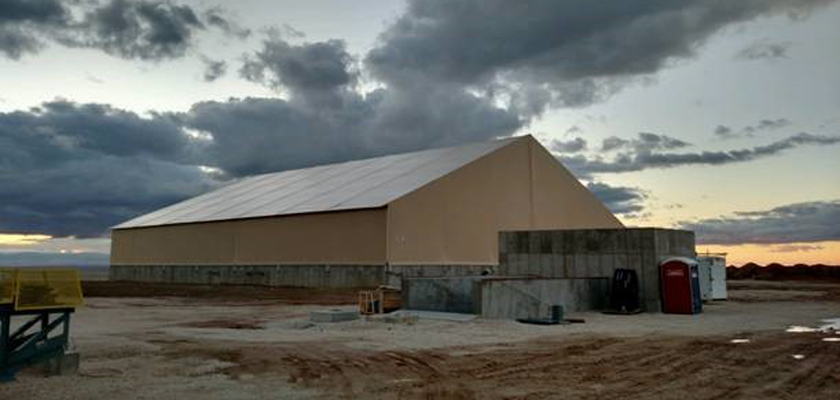
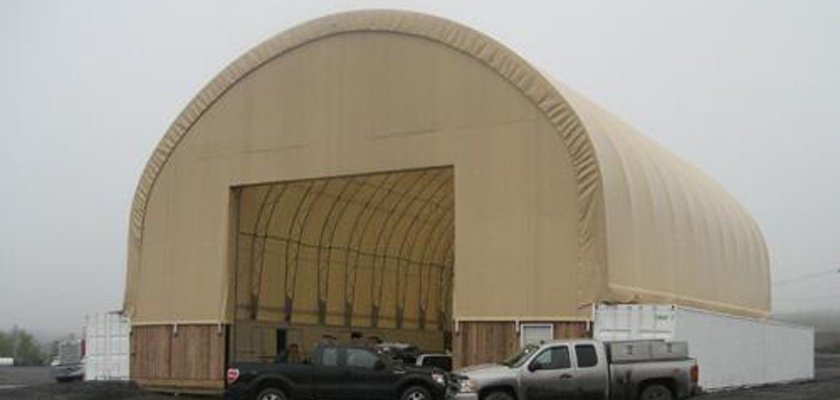
Every mining site has unique challenges. Accu-Steel works with operations teams to understand site conditions, timelines, and goals—and determine whether a fabric-covered building is the right fit.
Start the conversation to explore your options.
Fabric-covered buildings are used to support mining operations by providing enclosed, weather-resistant space for material storage, processing, maintenance, and site support.
Fabric-covered buildings can be designed for long-term use, but they also offer flexibility to expand, relocate, or adapt as operations change.
Yes. These buildings are engineered for site-specific snow loads, wind speeds, temperature extremes, and UV exposure.
Installation timelines vary by project, but fabric-covered buildings are often installed in weeks rather than months.
Fabric-covered buildings are often considered for their faster deployment, flexibility, and reduced site preparation requirements, particularly in remote or evolving mining environments.
This website uses cookies to ensure you get the best experience on our website. More Information >